
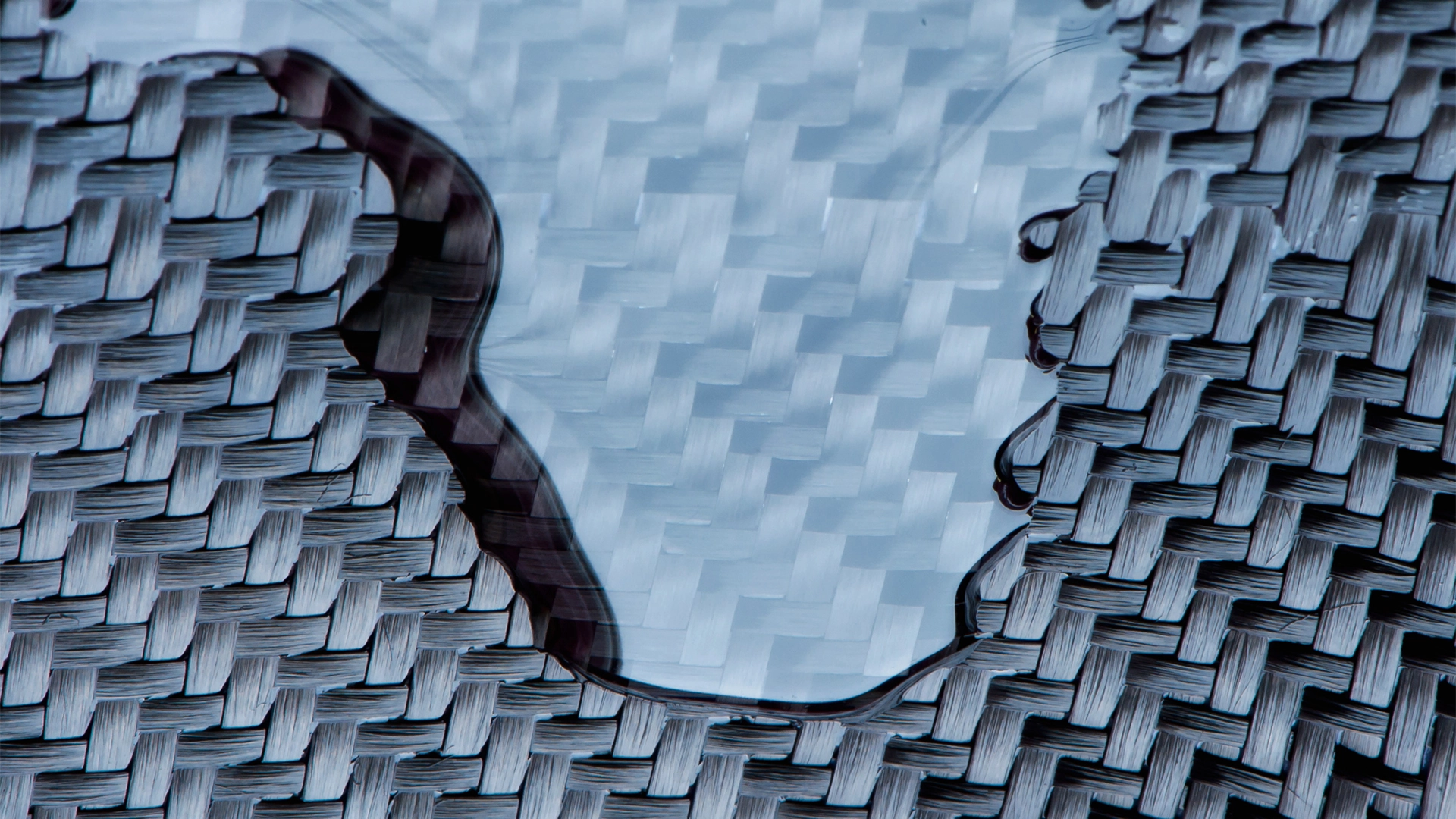
Swiss aerospace manufacturer Pilatus Aircraft has initiated a 32-month research program aimed at directly reintegrating manufacturing waste back into the airplane assembly process. The company generates over six tons of carbon fiber scraps annually from trimming carbon file textiles used to manufacture various aircraft sections. By developing an efficient reclamation method, the manufacturer intends to dramatically curb factory waste and potentially substitute several traditional aluminum structures with lightweight carbon alternatives. If successful, this efficiency pivot could conserve up to 36 tons of aluminum each year, optimizing both raw material usage and vehicle weight.
The study explores a unique technique that applies regulated thermal treatment to sticky prepreg scraps, neutralizing their adhesive characteristics so they can be fed into mechanical processing equipment. The raw material is then chopped and molded into fresh aviation components using a specialized pressing system before undergoing a final hardening phase. Supported by the Swiss innovation agency Innosuisse, the aviation manufacturer is pioneering this method alongside academic experts from the Lucerne University of Applied Sciences and Arts and Inspire AG. The initiative aims to establish a reliable industrial standard for a process that does not currently exist within the commercial aerospace sector.
Business aviation has long been an incubator for sustainability and efficiency improvements.